Tuesday, August 7, 2018

Classification and Morphology of Dragon Fruit Plants

Classification and Morphology of Dragon Fruit Plants - Dragon fruit (English: pitaya) is a fruit of several types of cactus from the genera Hylocereus and Selenicereus. This fruit comes from Mexico, Central America and South America but is now also cultivated in Asian countries such as Taiwan, Vietnam, Philippines, Indonesia and Malaysia. This natural product can likewise be found in Okinawa, Israel, northern Australia and southern China. Hylocereus only blooms at night.

In 1870 the French were brought from Guyana to Vietnam as ornamental plants. By the Vietnamese and Chinese individuals the organic product was considered to bring gifts. Therefore, this fruit is always placed between two green dragon statues on the altar table. The red color of the fruit is striking between the colors of the green dragons. It is from this habit that the fruit among the Vietnamese people who are heavily influenced by Chinese culture is known as thang loy (dragon fruit). The term Thang loy is then translated in Europe and other countries that speak English as dragon fruit.

This dragon fruit can grow well with a maximum temperature of 38-40 degrees centigrade, with loose and fertile soil media and a lot of organic matter in the soil. 

Classification and Morphology of Dragon Fruit Plants - based on botanical experts, dragon fruit plants can be classified and morphologically as follows.

Classification of dragon fruit plants
Kingdom Plantae
Division Spermatophyta
Subdivision Angiospermae
Class Dicotyledonae
Order Cactales
Family Cactaceae
Genus Hylocereus
Species - Hylocereus cysticensi
- Hylocereus undarus
- Hylocereus polyrhizus
- selenicereus megalanthus

     Morphology of dragon fruit plants

Dragon fruit plants can be morphologized by looking at their characteristics as follows.
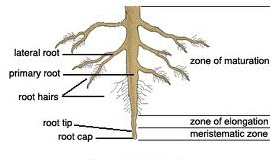
  • 1. Root
The roots of dragon fruit plants have a length of 20-30 cm, reaching a depth of 50-60 cm, brownish in color, and growing filamentous. The rooting of this plant can grow well, despite dry soil conditions.
The roots of dragon fruit plants

  • 2. Rod
The stems of dragon fruit plants are triangular in shape, greenish in color and have thorns - blackish thorns and stems that are seculent (containing a lot of water). The stem also has many branches around 6- 10 branches of the same color which are useful for producing food reserves during the growth and development of dragon fruit cultivation. Thorns - fine spines that stick to the trunk and branches, usually hung around 5-8 pieces at a growing point.
Rod of dragon fruit

  • 3. Interest
The flower of dragon fruit plants almost resembles pineapple skin, which has scales on the crown. An elongated funnel shaped, with a size of 30 cm or more, a greenish crown, red petals, and whitish inside. In general, flowers will pollinate with the help of wind and animals around.
Dragon fruit flower

  • 4 pieces
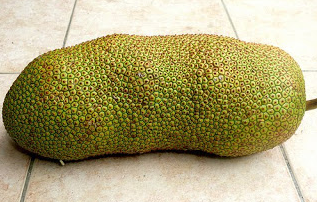
The fruit is shaped almost like pineapple, which has scales on the surface of the fruit and the fruit has a red and fleshy color depending on the species. The fruit will usually grow on the base of the stem and mid-stem. The inside of this fruit will have blackish, shiny seeds, this fruit has an average weight of around 400 - 800 grams / fruit.
dragon fruit shape

  • 5. Seeds
Dragon fruit seeds are black with a small, flat and very hard round shape. Seeds that are in the fruit are around 1,000 or more, depending on the type and variety of the dragon fruit plant. The seeds of dragon fruit plants are used for generative propagation of plants, but they are rarely used because they take time.
Classification and Morphology of Dragon Fruit Plants

     Varieties

The name dragon fruit refers to edible fruits from plants of the type:
  1. Hylocereus undatus, whose fruit is red with white flesh.
  2. Hylocereus polyrhizus, whose fruit is pink with red flesh.
  3. Selenicereus megalanthus with yellow rind and white flesh.
  4. Hylocereus costaricensis, a dragon fruit with a very red fruit color.

     Morphology

Morphology of dragon fruit plants consists of roots, stems, thorns, flowers, and fruit. Dragon root is only a root root that develops in the soil on the upper stem as a hanging root. The roots grow along the stem on the back of the fin in the corner of the stem. On the thorns, flowers will look like Wijayakusuma flowers. Flowers that do not fall out develop into fruit. Dragon fruit is round oval in size with avocado. The fruit peels are bright red for white and red dragon fruit types, dark red for black dragon fruit, and yellow for yellow dragon fruit. All over the skin are filled with tassels which are analogous to dragon scales. Therefore, this fruit is called dragon fruit.
dragon fruit morphology

The trunk is triangular, the spines are very short and unobtrusive, so it is often considered a "prickly cactus". The flowers bloom early in the evening if the flower buds are about 30 cm in size. The creamy outer crown of flowers blooms around nine o'clock in the evening, then the white inner crown is followed, including a number of yellow stamens. Blossoms, for example, pipes at last open completely at midnight, so mythical beast natural product is known as night sprouting cereus. When in full bloom, dragon fruit spreads a fragrant odor. This scent is to attract bats, to pollinate dragon fruit flowers.

     Dragon fruit cultivation

In general, dragon fruit is cultivated by cutting or seeding seedlings. Plants will thrive if the media is porous (not muddy), rich in nutrients, sandy, sufficient sunlight and temperature between 38-40 ° C. If the treatment is good enough, the plant will begin to bear fruit at the age of 11-17 months. Dragon fruit is very adaptive cultivated in various regions with altitudes at 0-1200 m above sea level. The most important thing is getting enough sunlight is a condition for growing red dragon fruit.

Dragon fruit can develop with soil and altitude of any location, but this plant is quite greedy for nutrients, so that if the soil contains good fertilizer, the growth will be good. Within 1 year, dragon fruit trees can reach a height of 3 meters. Based on several sources, dragon fruit has not been widely cultivated in Indonesia. In the mean time, in the territories of Mojokerto, Jember, Malang, Pasuruan, Banyuwangi, Ponorogo, Wonogiri, Kalibawang, Kulon Progo, Batam and Bandung are regions that have developed this plant.
Land Cultivation Dragon Fruit

     Consumption

Dragon fruit must be split until the flesh is seen when it is consumed. The texture of the fruit is often equated with kiwi fruit because the seeds are black and crispy. The flesh feels a bit sweet when eaten and has a low calorie content. Dragon fruit seeds have a spicy taste and are rich in lipids and are eaten together with the flesh, but the seeds must be chewed because the body is difficult to digest. Besides being eaten directly, dragon fruit can also be processed into various forms of food and drinks such as soup, salad, chips, gelatin, fruit juice, pearl porridge, and so on.
Classification and Morphology of Dragon Fruit Plants

     Benefits of dragon fruit

Red dragon fruit as one of the fruits that has many benefits to help overcome and help cure various diseases. Beginning from the dragon fruit stem, monster organic product tissue, to the skin of dragon fruit likewise has a great deal of vitamins and substances that are exceptionally valuable. Doctors also strongly recommend red dragon fruit, as a consumption fruit that can be used for therapy in healing a disease.
Here are some benefits of dragon fruit:
  • Red dragon fruit helps cure cancer, the complex vitamin content, has been recommended by doctors as a fruit of cancer healing therapy.
  • Beautifying appearance, with its high vitamin C content, red dragon fruit helps maintain healthy skin, even the fruit and skin can also be used as a scrub.
  • Because the sweet taste of red dragon fruit is not derived from glucose, red dragon fruit can also help cure diabetes.
  • Keep up wellbeing and stamina, with the substance of cancer prevention agents and vitamins.
  • Prevent osteoporosis or bone calcification, because red dragon fruit contains a lot of organic calcium.
  • Contains vitamin B3 which functions to reduce cholesterol levels and to cure cough and asthma to overcome high blood pressure.
  • Caring for eye health, because beta-carotene contained in dragon fruit is useful for maintaining eye health.
  • Keeping up heart wellbeing, on the grounds that the substance of vitamin C, B1, B2 and B3 contained in dragon fruit can keep up heart wellbeing.

     Pests and diseases

Vermin found in dragon fruit coarse bugs (Hemiptera: Pseudococcidae) jackbeardsleyi Pseudococcus species, Ferrisia virgata, and Planococcus sp, aphids (Hemiptera: Aphididae). Species Aphis gossypii, Branchycaudus helichrysi, and Toxoptera odinae, ants (Hymenoptera: Formicidae) species Oecophylla sp, Camponotus sp, Euprenolepis sp, and Polycharis sp, insects (Orthoptera: Acrididae) species Valanga sp, Oxya sp, and Atractomorpha sp, bugs ( Acarina: Tetranycidae); snails (Acathina fulica), and fowls. Chickens are not considered pests, but they can cause severe damage to fruit if they are allowed to be present in the garden. The diseases found in dragon fruit are rust red algae (Cephaleuros sp.), Orange place grapes (Fusarium sp.), White grapes (Botryosphaeria sp. And Phomopsis sp.), Blighted stems (Helminthosporium sp.) And anthracnose (Colletotrichum sp. ), Dothiorella spot, brownish stem rot, yellowing stem, fruit rot (Colletotrichum sp. And Helminthosporium sp.) Spot citrus fruit (Alternaria sp.). A black spot disease on the stem has not been identified. Pests and diseases have not been controlled in certain systems, perhaps because their events did not result in significant losses.
Pests and diseases dragon fruit


As for the benefits of other fruits among:
  1. Benefits of Dragon Fruit for Health and Beauty
  2. Classification and morphology of Watermelon Plants
  3. Cempedak | Benefits For Better Life
There has been considerable discussion about the Classification and Morphology of Dragon Fruit Plants. I apologize, if there is an error from this article. Finally, please leave your comments below as support and participation !!!

source :
- Wikipedia
- Youtube


Wednesday, May 10, 2017

Otaheite Gooseberry | Cermai Benefits For Better Life
Otaheite Gooseberry | Cermai
which has Latin name "Phyllanthus Acidus"
Otaheite Gooseberry | Cermai Benefits For Better Life - Not many know this one fruit. Fruit Cermai or which has Latin name "Phyllanthus Acidus" is a fruit that does not grow anywhere. The shape of this fruit is like a dense flower that is bright yellowish greenish and the flesh is whitish. The meat is watery and has a pretty sour and sour taste.

In English, it is called Otaheite gooseberry, Malay gooseberry, and some other names. The scientific name is Phyllanthus Acidus. other names:
  • Malay gooseberry
  • Tahitian gooseberry
  • Country gooseberry
  • Star gooseberry
  • Starberry
  • West India Gooseberry
  • Orboroi (in Bangladesh)
  • Grosella (in Puerto Rico)
  • Jimbilin (in Jamaica)
  • Damsel (in St Vincent and the Grenadines and Grenada)
  • Karamay (in the Northern Philippines)
  • Layuan (in the Bicol region of the Philippines)
  • Rata nelli (in Srilanka)
  • Bangkiling (in the Southern Philippines)
  • Cermai (in Brunei Darussalam, Indonesia, and Malaysia)
  • Goanbili (in Maldives)
  • Sapra (in Belize)
The gooseberry tree is one of the trees with small yellow berries that can be eaten in the Phyllanthaceae family. Despite its name, this plant does not resemble gooseberry, except the acidity of the fruit. It is mostly cultivated for ornaments.

Fruit Cermai more often made sweets because it's sour taste. Of course, this fruit has beneficial benefits for our health. Cermai Fruits of mirage, ceremai, cereme or cerme is the name of a tree with its fruit once.
  1. Pemerian Habitus: tree, height ± 10 cm.
  2. Trunk: erect, round, woody, easily broken, rough, monopodial branching, light brown.
  3. Leaves: compound, oval, alternating, 5-6 cm long, 2-3 cm wide, flat edge, pointed tip, blunt base, pinnate pit, smooth, cylindrical stalk, ± 2 cm long, light green. Single leaf, round egg with pointed tip, 2-7 cm long, arranged in twigs like compound leaf pinnate
  4. Flowers: compound, round, in twigs, cylindrical stems, ± 1 cm long, light green, star-shaped petals, smooth, pink crown. Fruit: round, curved surface, whitish yellow. Fruit The flowers are single or double, red, 4, arranged in panicles up to 12 cm.
  5. Seed: round flat, light brown. Roots: riding, light brown (Hutapea, 1994) Shrubs or small trees with altitudes of up to 9 m, branching low and tenuous. At a glance, the mirror tree is not unlike the starfruit tree wuluh. Fruit stone, round with 6-8 ribs, whitish yellow resembles a candle, diameter up to 2.5 cm, hanging alone or in a string.
Flesh whitish fruit, sour and watery, in the middle there is a hardcore with 4-6 grains of seed. Benefits Leaves, bark, and wood contain saponins, flavonoids, tannins, and polyphenols. Roots contain saponins, gallic acid, tannins, and toxic substances (toxic). Fruit contains vitamin C. Leaves efficacious as peluruh sputum, laxative (purgative), nausea, cancer, and canker sores.

Skin efficacious overcome asthma and skin diseases. Skin root and fruit efficacious as a laxative. Seeds to treat constipation and nausea. In Thailand, plant roots are used as rehabilitation from someone who is addicted to alcohol. This treatment is very effective, but it turned out to cause chronic side effects are quite serious.

Vongvanich et al (2000) reported the discovery of Norbisabolane glycoside compounds Phyllanthusols A and B which are cytotoxic to BC and KB cell lines. Phyllanthusols A (1) and B (2) show cytotoxicity to BC (EC50 at 4.2 and 4.0 μg / mL for 1 and 2, respectively) and KB (EC50 at 14.6 and 8.9 μg / mL for 1 and 2, respectively) Cell lines, whereas aglycon 3 and saccharide 4 did not show any toxic effects.

This compound is present in plants with high caustic carbohydrates (ca. 1 mg / g wet weight) and cytotoxic glycosides nor bisabolene g1 at P. acidus root, which may be responsible for chronic illness when one takes the root extract of this plant. Fruits are often eaten freshly mixed with sugar, salt or as the salad.

Cerme is also often made sweets, boiled or made a refreshing drink. The young leaves are used as a salad. The decoction of the root of the mirror is used to relieve asthma and treat skin diseases. Tanners are also produced from the root bark. The mirror tree is often planted as a shade or decoration of yard and garden.

This tree can grow in the tropics and subtropics, likes a damp place to a height of about 1,000 m above sea level. Cerme can be cultured by seed or cuttings.

Origin and Distribution


This species is believed to have originated in Madagascar and has been carried to the East Indies. Quisumbing says that it was introduced, into the Philippines in prehistoric times and is cultivated throughout those islands but not extensively. It is more commonly grown in Indonesia, South Vietnam, and Laos, and frequently in northern Malaya, and in India in home gardens. The tree is a familiar one in villages and on farms in Guam, where the islands are favored by children, and in Hawaii and some other Pacific Islands.

It was introduced into Jamaica from Timor in 1793 and has been casually spread throughout the Caribbean Islands and to the Bahamas and Bermuda. It has long been naturalized in southern Mexico and the lowlands of Central America and is occasionally grown in Colombia, Venezuela, Surinam, Peru and Brazil. Formerly an escape from cultivation in South Florida, there are now scattered specimens remaining here as

If left longer, the flesh shrivels and the juice can be strained off as a clear, pale yellow syrup. In Indonesia, the tart flesh is added to many dishes as a flavoring. The juice is used in cold drinks in the Philippines. Bahamian cooks soak the whole fruits in salt water overnight to reduce the acidity, then rinse, boil once or twice, discarding the water, then boil with an equal amount of sugar until thick, and put up in sterilized jars without removing seeds.

The repeated processing results in considerable loss of flavor. Fully ripe fruits do not really require this treatment. If cooked long enough with plenty of sugar, the fruit and juice turn ruby-red and yield a sprightly jelly. In Malaya, the ripe or unripe Otaheite gooseberry is cooked and served as a relish or made into a thick syrup or sweet preserve. It is also combined with other fruits in making chutney and jam because it helps these products to "set". Often, the fruits are candied, or pickled in salt. In the Philippines, they are used to make vinegar. The young leaves are cooked as greens in India and Indonesia.

Kinship Type

The fruits are closely related to malacca trees (Phyllanthus Emblica) and Meniran (P. Niruri); Both are medicinal plants.

Nutrient Content

Nutritional Value Per 100 g
1 Ascorbic Acid 4.6 mg
2 Ash 0.51 g
3 Calcium 5.4 mg
4 Carotene 0.019 mg
5 Fat 0.52 g
6 Fiber 0.8 g
7 Iron 3.25 mg
8 Moisture 91.9 g
9 Niacin 0.292 mg
10 Protein 0.155 g
11 Phosphorus 17.9 mg
12 Riboflavin 0.013 mg
13 Thiamine 0.025 mg
- Manuka Honey Ebook Membership
- Apple Cider Vinegar Ebook Membership
- Turmeric Ebook Membership

Leaf Cermai content

While in the leaf contains Saponin, Flavanoid, Tanin, and Polyphenols. Then at the root contains Saponin, Gallus Acid, Substance Samak, and Toxic.

Other Uses Wood:

The wood is light brown, fine-grained, attractive, fairly hard, strong, tough, durable if seasoned, but scarce, as the tree is seldom cut down.

Root bark:

The root bark has limited use in tanning in India. Medicinal Uses: In India, the fruits are taken as a liver tonic, to enrich the blood. The syrup is prescribed as a stomachic, and the seeds are cathartic. The leaves, with added pepper, are poulticed on sciatica, lumbago or rheumatism. A decoction of the leaves is given as a sudorific. Because of the mucilaginous nature of the leaves, they are taken as a demulcent in cases of gonorrhea.

The root is drastically purgative and regarded as toxic in Malaya but is boiled and the steam inhaled to relieve coughs and headache. The root infusion is taken in very small doses to alleviate asthma. Externally, the root is used to treat psoriasis of the soles of feet. The juice of the root bark, which contains saponin, gallic acid, tannin and a crystalline substance which may be lupeol, has been employed in criminal poisoning. The pickled sap from various parts of the tree is biotic and laxative.

Benefits of Cermai Fruit For Our Health
Phyllanthus Acidus
first is to treat constipation

  • 1. Treating Constipation
The benefits of Cermai for the health of the first is to treat constipation. Because it contains lots of Vitamin C, Cermai fruit has the benefit of digestion and overcome constipation. Just like other vitamin C fruit, this fruit is suitable for intestinal cleansing.
How to use
  1. Prepare a mirage seed about 3/4 teaspoon, then washed and rolled until smooth.
  2. Then brewed with 1/2 hot water.
  3. While warmly add 1 tablespoon of honey and mix well and drink at once.
  4. You can drink it regularly twice a day.
The other way
  1. Prepare the leaves of the mirror as much as 3 grams
  2. Wash and mash until smooth
  3. Brewed with 1/2 cup using hot water and chill
  4. You can drink it with the dregs.

  • 2. Overcoming Asthma
For people with asthma, good news for you. For fruit Cermai was able to treat asthma.
How to use:
  1. Boil pieces of six seeds Cermai fruit with a few glasses of water.
  2. Add the red onions, roots kara, litchi, and a little sugar according to taste.
  3. Drink until the breath feels again recovered.
Other ways:
  1. Take about 6 seeds of fruits
  2. Combine with shallots 2 grains, kara root (Dolichos lablab) 1/4 handheld and 8 grains of litchi
  3. All materials are washed and then ground.
  4. Boil all ingredients and let it boil 2 cups water until remaining 1 1/2 cups.
  5. Chill and drink with enough sugar water.

  • 3. Relieve Cancer
The most amazing, fruit Cermai also has benefits for our health, especially for people with cancer. Treatment of Cancer disease does not cost a bit. But try consumption of fruit Cermai to get good results.

How to use:
  1. Prepare cermai young leaves as much as 1/4 handheld
  2. Handheld third starfruit leaves lots Upas half finger, half finger Chinese yam, palm sugar 3 fingers, washed and cut into pieces as needed. 
  3. The material was then boiled in 3 cups water until 3/4 parts left behind. After chilling filtered, ready to be drunk. 3 times a day, each 3/4 cup enough. 

  • 4. Healthy Skin
Vitamin C contained in fruit Cermai provide benefits to our skin. The skin will be bright, clean, and soft. Vitamin C plays an important role in skin health affairs. Therefore try this fruit consumption in any form because vitamin C is high. What's more for those who have problems with acne and dull skin.

  • 5. As Slimming Because of Digestion
Cermai fruit becomes the fruit that can help slimming body. Did you know that acid foods can make the stomach to be slim? Well, fruits Cermai that has a sour taste can also make the stomach becomes slimmer when consumed regularly. This is because the digestion is supported and the appetite is reduced slightly due to the taste of acid on the tongue. The trick is to drink boiled water leaf mirror. Keep in mind is this drug works very strongly, therefore consume it efficiently only occasionally.

  • 6. Adding Immunity
Fruit Cermai contains nutrients that can increase our immune system. Nutritional enough as a regular nutritional enhancer. This is also due to the Flavonoids that make antioxidants. But do not also excessive consumption.
Bodybyboyle Online Strength And Conditioning Service
Beta No Nonsense Muscle Building 2.0 System
The Jump Manual Is Converting Like Crazy! (view mobile)
  • 7. Nourish the Bones
Calcium and iron contained in this fruit can help nourish the bones to keep strong and not porous. Bones will be stronger.

  • 8. Good For Fruit Conspiracy
The fruit becomes a good fruit is consumed and does not interfere with growth. In fact, this fruit is a good fruit to help the growth because of its many nutritional contents.

  • 9. Treat Asthma and Cancer
Please ask your doctor first. Because the effects received may vary depending on the condition of the illness and the patient. Ask if your condition is adequate to be given an alternative intake.

Fruit Shrimp that has a shape like grapes Wine does have many nutrients, but the advice should not eat too much of this fruit what else when eating processed products. Carbohydrates are not so much to make this fruit is not so filling for consumption.

At a glance when you see the tree where the fruit of Cermai grows, we will immediately imagine the shape of the growth of grapes. Fruit Cermai usually adjacent each other and grow neatly lined up. Fruit maturity can be seen from the different yellow color - different. But still, want the raw or also mature, it will be wry, This fruit grows in many countries including in Indonesia so that we can enjoy the benefits of fruit mirror regularly.

Scientific Classification
Kingdom Plantae
Subkingdom Tracheobionta
Superdivision Spermatophyta
Division Magnoliophyta
Class Magnoliopsida
Subclass Rosidae
Order Euphorbiales
Family Euphorbiaceae
Genus Phyllanthus
Species Phyllanthus acidus (L.) Skeels
Binomial Name
Phyllanthus acidus(L.) Skeels.
Sinonim
- Cicca acidua (L.) Merr.
- Cicca disticha L.
- Phyllanthus distichus (L.) Mull. Arg
  1. The Benefits of Bintaro | Fruit for Industrial and Household Raw Materials
  2. Cantaloupe Fruits | The Benefits For Health
  3. Benefits of Carambola For Extraordinary Body Health
  4. Carica Benefits | For Better Live
  5. Cempedak | Benefits and Information About Cempedak Fruit
Well enough so many discussions about the benefits of this Carica fruit. The less and more I apologize if there is a mistake in writing. Final words please leave your trail below as support and participation.

Resources:

- Wikipedia
- hort.purdue.edu
- farmasi.ugm.ac.id

Saturday, May 6, 2017

Cempedak | Benefits For Better Life

What is Cempedak?
the aroma is often strong piercing like durian fruit

Cempedak | Benefits For Better Life. Cempedak is a fruit plant from the family Moraceae. The shape of the fruit, taste, and fragrance like jackfruit, although the aroma is often strong piercing like durian fruit.

Distribution of Habitat

This plant originated in Southeast Asia and is widely spread from the Tenasserim region of Burma, the Malay Peninsula including Thailand, and parts of the archipelago: Sumatra, Borneo, Sulawesi, Maluku to Papua. Also widely found in western Java.

Widely known as Cempedak or campedak, this fruit also has several local names such as bangkong (cempedak forest, wild form in Malaysia), baroh (Kep Lingga and Johor), jacket beurit (Sunda), nongko cino (Java), forest cubadak (Minangkabau) tiwadak (Banjar) and others.

Description

Trees are always green, while the large and tall tree trunks can reach 20m although most only reach a dozen meters. Twigs and shoots with fine hair and stiff, brownish single homes (monoecious).

The thin leaves are slightly stiff like the skin, stemmed, rounded up to an ellipse, 2.5-5 × 5-25 cm, edged flat (integer, whole), with the base of the peg to the round, and the pointed tip (acuminate). Leaf stalk 1-3 cm. Leaves round oval, tapered, wire-haired, easy to fall out and leave marks in the form of a ring on twigs.

Individual inflorescence, appearing in the armpits of the leaf, on large branches or on the main stem (cauliflory), on short leaf-specific shoots. Male bouquets are shaped like a mace or spindle, 1 × 3-5.5 cm, pale green or yellowish, 3-6 cm in diameter. A female flower-shaped crown flower, with flowers, stuck 1.5 mm deep in the axle shaft and free part about 3 mm.
Cempedak Fruit mean?

Pseudoplastic fruits (syncarp) are cylindrical to round, 10-15 × 20-35 cm, greenish, yellowish to brownish, with pyramidal bulges similar to soft, dense soft spines plotting with facet eyes. The real 'fruit flesh' is a jewelry of enlarged and thickened flowers, yellowish white to orange, sweet and fragrant, soft texture, slippery slimy on the tongue and somewhat fibrous. Unlike jackfruit, the overall mass of fruit flesh along with sterile or failing flowers (known as 'dami') easily escapes the pseudo shaft ('heart') of false fruits when ripe. Round or split seeds, 2-3 cm long.

Results and usability

Fruits are eaten fresh or processed first. Cempedak fruit flesh, sometimes with the seeds once, given flour, sugar or salt and fried, served as a snack for tea or coffee. The seeds can be fried, boiled or baked, before being eaten with a small salt mixture. Young fruit, as young jackfruit, can be used as a vegetable.

The wood is of good quality, strong and durable, so it is often used as building timber, furniture, or boat materials. Its fibrous wooden bark can be used as a rope material, and its sap is to keep the birds. From the wood can also be produced a yellow dye.

In Borneo, Cempedak or Banjar languages tiwadak, in addition to fruit and seeds consumed, the skin can be processed into food called mandai or there are also called dami. Mandai is made by peeling the skin until the fruit looks white then soaked with salt water to preserve and soften the texture. The soaking can be done for several hours even up to a month. Mandai is usually consumed by frying until browned.

Ecology

what is Cempedak or champedak
Cempedak can also cross naturally with jackfruit

Naturally, wild Cempedak found in lowland rainforest, both primary and secondary forests. It grows to an altitude of about 1000 m above sea level, this fruit tree loves areas with a dry season is not firm, land with a shallow groundwater surface, and even resistant flooded occasionally. Cempedak is usually grown in yards, mixed gardens, to complex agroforests, and rarely grow wild sparse into secondary forest. Cempedak can also cross naturally with jackfruit.

Benefits of Cempedak Fruit For Health


Who loves the fruit with this powerful aroma? Cempedak fruit at first glance is the same as fruit Jackfruit. Where the skin is small spiny green and the flesh is bright yellow. The aroma of Cempedak and Jackfruit fruit is equally strong but Cempedak fruit more champion. Many say the aroma of cempedak fruit is almost the same as the Durian fruit.
fried Cempedak
Oseng Mandai (cempedak skin) from Banjarmasin

Nutritional Content of Cempedak Fruit

Behind that fruit flavor is very sweet and makes you addicted. Cempedak fruit also contains many nutrients namely Vitamin A, Vitamin C, Enzyme, Bioflavonoid, and Ascorbic Acid. Because of the many nutrient contents of this fruit has benefits for our health.

  • 1. Healthy eyes
Who does not want to have healthy eyes? Cempedak fruit contains Vitamin A which helps to increase health in our eyes. There are many fruits and vegetables that contain Vitamin A but Cempedak fruit becomes one of the sweetest and delicious fruits to be consumed as a supplier of Vitamin A in the body.

  • 2. As foodstuff
Like jackfruit, cempedak fruit can also be processed into various preparations. Until now, in general, cempedak fruit flesh is only processed into the compote and fried. It tastes delicious, but keep in mind that fried fruit is not so good effect on the body. So to note also aspects of cleanliness and oil conditions while flying fruit.

  • 3. Lowering cholesterol in the blood
Cempedak fruit also has benefits for our body in terms of lowering cholesterol levels. Vitamin C content can repel bad cholesterol to prevent blood flow and help good cholesterol to flow smoothly. Bad cholesterol can cause many serious illnesses like heart disease.

  • 4. Relieves tumor
There are many health experts who say that Cempedak fruit is able to help treat tumor diseases. But until now there has been no definite thing about it. Seeing from its content such as bioflavonoid most likely can indeed help relieve tumors.

  • 5. Relieves Malaria
Bioflavonoid and enzyme content, as well as various vitamins in Cempedak fruit, are also said to help people with malaria to heal. Eat in raw or unprocessed form. Or you can say eat natural Cempedak fruit.

  • 6. Expel the parasite
In the body, we can roam many parasites that can disrupt the work of organs. In addition, these parasites can also cause unexpected diseases, Cempedak fruit has benefits to expel parasites - parasites that are not needed by our bodies.

  • 7. Maintain digestion
Cempedak fruit is also able to help and keep the digestive in our body running smoothly. Vitamin C content in this fruit is able to avoid us from constipation or difficult to defecate.

  • 8. Giving water intake
Cempedak fruit can not grow in a place that is not tropical because this fruit requires a lot of water intake to grow. Just like the benefits, because this fruit consumes a lot of water intake when growing, Cempedak fruit also contains a lot of water intake when consumed. And this helps to provide water intake in our body.

  • 9. Maintain body endurance
In addition to providing water intake, Cempedak fruit can also maintain our body resistance in the presence of bioflavonoid. Bioflavonoid can repel free radicals that can take healthy cells in our body. That's what keeps our body awake.

  • 10. Prevent the risk of stroke
Stroke disease becomes a disease that mostly suffered by people who continue to use. But not a few of them are still young age of this disease even children. Cempedak fruit also provides benefits in this regard by preventing the risk of stroke.

  • 11. Slimming body
Consuming Cempedak fruit will give a sense of satiety. This makes Cempedak fruit suitable for their food ingredients or you are intent on slimming. The nutritional content is enough to give a sense of satiety as well as forming the body.
Cempedak fruit is more difficult to find than fruit Jackfruit. Not many sell this fruit and to find it needs to know the center that sells this fruit. In other countries, cempedak fruit grows only in Southeast Asia. And mostly consumed by the people of Indonesia, Malaysia, Thailand, Filiphina, and Vietnam.

Side Effects of Cempedak Fruit

Cempedak fruit containing Ascorbic Acid is recommended for not much - much or not consumed in excess amounts as it can make gas in the stomach. Especially for people with ulcer disease, this fruit can trigger the disease recurrent.

The closest kinship

  • Jackfruit (Artocarpus heterophyllus)
  • Marang (Artocarpus odoratissimus)

Plant Crop Morphology


  • Root
    root cempedak
    can reach up to 25 meters
Cempedak (Artocarpus champeden Spreng.) Is a tree plant that can reach up to 25 meters in height and looks similar to that of jackfruit and belongs to the euphorbiceae family. The striking difference between the physical appearance of the jackfruit and cempedak plants lies in the more dense branches and the stems are more straight and taller.

Like jackfruit, cempedak is also rooted with a lot of ramifications. The main function of the root is to absorb nutrients from the soil, as well as to support the upright of the plant.

  • Trunk
In general, the cempedak rod is smaller than the jackfruit plant with an optimal diameter of 15 to 20 cm. Because classified into the family euphorbiceae, cempedak rod containing thick sap.
Trunk cempedak
as raw materials for making household

The cempedak rod has a smooth, grayish-brown surface. Cempedak rod is also very suitable to be used as raw materials for making household utensils because it is classified strong and resistant termites.

  • Leaf
    Leaf cempedak
    a single leaf with a more limp texture than jackfruit leaves
Leaves cempedak classified as a single leaf with a more limp texture than jackfruit leaves. Due to overgrown feathers, green cempedak leaves have a coarse texture if touched. Young leaves or buds are always covered with brown stipules. Stipula will fall by itself if the leaves age.

  • Flower
    cempedak flower
    In one tree there are male flowers and female flowers that grow apart
Like jackfruit, cempedak flower is also a compound interest. Flowers arranged in an ivory-filled flower. In one tree there are male flowers and female flowers that grow apart, so the cempedak plant belonging to one house plant.

  • Fruit
    cempedak fruit
    Cempedak fruit is yellowish green when young and becomes brownish-yellow when it is old (ripe)
After the pollination occurs, the female flowers will grow into cempedak fruit which is generally round elongated shape. The average size of cempedak fruit is 40 cm long and 20 cm in diameter. Thorns on the skin of cempedak fruit are not as sharp and as rough as jackfruit. Cempedak fruit is yellowish green when young and becomes brownish-yellow when it is old (ripe).

Flesh Calophyllum inophyllum (Nyamplung) cempedak shaped thin, soft, fibrous, with a yellowish white color and a very strong aroma. Although the skin of the fruit and the dam is removed, nyamplung will remain attached to the fruit stalk, because of the bond with the petiole very closely.

  • Seed
    seed cempedak
    cempedak seeds can also be consumed after boiling
Cempedak seeds are smaller than jackfruit seeds with shape slightly round, just like the flesh. Just like jackfruit, cempedak seeds can also be consumed after boiling.


SCIENTIFIC CLASSIFICATION
Kingdom It is of a kind Living organisms such as trees, shrubs, plants, grasses, ferns, and moss. It usually grows and settles in a permanent place, can absorb water and inorganic substances through its roots, and synthesize nutrients in its leaves through the process of photosynthesis using green pigments. Ultimately, the liquid will melt which then becomes the water supply and nutrients for plants and aquatic organisms.
Plantae
Plants
Subkingdom A plant that is characterized by the presence of conducting tissue.
Tracheobionta
Vascular plants
Superdivision Seed plants are the familiar green components of wild, modified, and managed landscapes. They provide many of the things that are important to humans and other animal species: timber and paper, shelter, food, drugs, clothing, flowers, and, along with other photosynthetic organisms, they sustain life by converting sunlight into chemical energy and providing atmospheric oxygen.
Spermatophyta
Seed plants (seeds)
Division A plant that produces flowers; an angiosperm. "Trees, shrubs, bushes and flowering plants were being planted on the graves."
Magnoliophyta
Flowering plants
Class Flowering plants with embryos containing two cotyledons (seed leaves). Dicotyledon is a larger part of two large divisions of flowering plants and usually has broad and wavy leaves with a clean vein (eg, daisies, hawthorns, oaks). "However, it should be remembered that the dicotyledon younger leaves are more heterogeneous such as the age of the cells than the monocots."
Magnoliopsida
Dicotyledons
Subclass Hamamelididae is an obsolete botanical name at the rank of subclass. Because some Hamamelidae relatives contain Aments (ie, catkins), this subclass has been formerly known as Amentiferae. Based on the work of molecular phylogeny, Hamamelidae appears to be a polyphyletic group.
Hamamelidae
A botanical name is a formal scientific name
Order Before molecular phylogenetics became an important part of plant taxonomy, Urticales was recognized in many, perhaps even most, systems of plant classification, with some variations in circumscription. Among them is the Cronquist system (1981), which places orders in the subclass of Hamamelidae, which consists of:

  • Barbeyaceae
  • Cannabaceae
  • Cecropiaceae
  • Moraceae
  • Ulmaceae
  • Urticaceae
Urticales
Urticales is a botanical name for what used to be an order of flowering plants
Family The Moraceae — often called the mulberry family or fig family — are a family of flowering plants comprising about 38 genera and over 1180 species. Most are widespread in the tropics and subtropics, less so in temperate regions. The only synapomorphy in Moraceae is the presence of laticifers and milk sap in all parenchymal tissues, but generally useful field characters include two occasional masks with a less conspicuous compound and multiple fruits. Includes famous plants such as fig, banyan, breadfruit, mulberry, and orang-orbital. 'Flower' Moraceae is often pseudanthia (reducing inflorescence).
Moraceae
Mulberry family
Genus Breadfruit (Artocarpus altilis) is a flowering tree species in the mulberry and jackfruit family (Moraceae) originating from the South Pacific then spreading throughout the Oceania world. The English and French navigators introduced several varieties of Polynesian unleaded fruits to Caribbean islands in the late 18th century and now have grown in 90 countries throughout South and Southeast Asia, the Pacific Ocean, the Caribbean, Central America and Africa. Naming is taken from the texture of ripe fruit when cooked, the texture is similar to freshly baked bread and has a taste like potatoes.
Artocarpus J.R. Forst. & G. Forst
Breadfruit
Species Cempedak is a fruit plant from the family Moraceae. The shape of the fruit, taste, and fragrance like jackfruit, although the aroma is often strong piercing like durian fruit.
Artocarpus integer (Thunb.) Merr
Cempedak

Here are 5 best sites in my opinion that can be a reference for your health and family.


Well enough so many discussions about the benefits of this Carica fruit. The less and more I apologize if there is a mistake in writing. Final words please leave your trail below as support and participation.

References from:
- wikipedia.org
- manfaat.co.id
- alamendah.org
- khasiat.co.id